bright-minimalist-packaging-blog-deon-design

Packaging Design Trends That Are Driving Sales in 2026

Packaging isn’t just a box anymore — it’s the first conversation your brand has with a customer. In 2026, that conversation is happening as much on a phone screen as it is on a shelf, which means packaging now has to work harder: catch the eye in a scroll, feel good in the hand, and say something true about the brand inside.

Here are the trends actually moving product this year — and how to borrow from them without blowing your budget.

1. Ultra-Clean Minimalism (With an Edge)

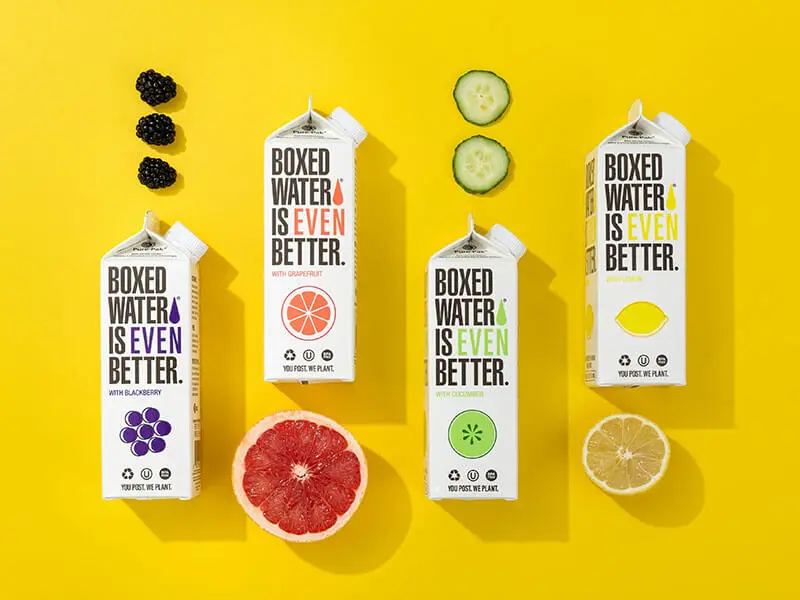
Minimalism never really left, but in 2026 it’s more deliberate: blocky geometry, muted palettes, and typography built for clarity rather than decoration. Think soft beiges, plasticky off-whites, and layouts that feel like tools, not adverts. After years of noisy branding, this reads as trustworthy and confident.

Good for: wellness, tech accessories, premium food and beverage.

2. The Imperfect, Hand-Made Look

As AI-generated visuals flood every feed, the human hand is becoming a selling point. Hand-stamped textures, uneven ink, rough serif type, and slightly off-kilter shapes signal “a person made this” — and customers are paying attention to that signal more than ever.

Good for: artisanal food, indie beauty brands, anything trying to feel crafted rather than mass-produced.

hand-made-texture-stamp-packaging-blog-deon-design

3. Metallics and “Pure Steel” Finishes

Chrome, brushed metal, and foil accents are showing up everywhere, paired with clean type and muted backgrounds. It’s a way to say “modern and engineered” without shouting — a quieter kind of premium.

Good for: beauty, tech, spirits, anything wanting to feel forward-looking.

gold-foil-with-muted-backgrounds-packaging-blog-deon-design

4. Sustainable, Without Looking “Eco-Boring”

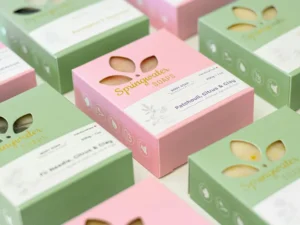
Sustainable packaging used to mean plain brown boxes. Not anymore. Brands are pairing recyclable, mono-material, and refillable systems with genuinely premium finishes — soft-touch coatings, considered typography, real design intention. Consumers expect both: the planet-friendly material and the shelf appeal.

Good for: literally every category — this one’s closer to a baseline expectation than a trend.
sustainable-posh-packaging-blog-deon-design

5. Maximalism Strikes Back (“Chaos Packaging”)

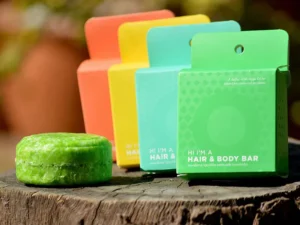
After a decade of minimalist sameness, a loud counter-trend is gaining real traction: clashing colors, collage visuals, hand-drawn doodles, and unconventional formats. It’s a reaction to feeds and shelves that all started looking the same. For challenger brands especially, looking different is the strategy.

Good for: beverages, snacks, youth-targeted brands, anyone trying to disrupt a sleepy category.
bright-colourful-packaging1-blog-deon-design

6. Heritage and “Alt-History” Motifs

Vintage typography, archival graphics, and traditional motifs are being reworked with modern color and layout. It’s nostalgia repackaged — quite literally — for a generation that values story and provenance over pure novelty.

Good for: food and drink, legacy brands repositioning, anything with a story worth telling.

7. Smart, Connected Packaging

QR codes, NFC chips, and AR experiences are turning packaging into a second touchpoint after the sale — for storytelling, loyalty, or even authentication. It doesn’t need to be flashy; even a simple QR code linking to a recipe, a behind-the-scenes video, or a loyalty signup adds real value.

Good for: any brand wanting to extend the relationship beyond the unboxing moment.

What This Means for Your Brand

You don’t need to chase every trend on this list — most brands will get the most mileage from picking one and executing it properly:

  • Want to feel premium and modern? Lean into clean minimalism or metallics.
  • Want to feel authentic and crafted? Go hand-made and tactile.
  • Want to stand out on a crowded shelf? Consider bold maximalism.
  • Want to build long-term trust? Sustainability and storytelling go a long way.

The common thread across every trend in 2026 is intention — packaging that clearly chose to look the way it does, rather than defaulted to it.

Thinking about a packaging refresh? Get in touch for a free consultation — we’ll help you figure out which direction actually fits your brand and your customers, not just what’s trending.

how-to-choose-a-name-for-your-business-deon-design-2

How to choose a name for your business

Choosing a name for your business is an important decision that can impact its success and reputation. A great name can help establish brand recognition and make your business stand out in a crowded market, while a poor name can confuse or turn off potential customers. Here are some tips to help you choose a name that’s right for your business:

  1. Make it memorable: Your business name should be easy to remember and easy to spell. Consider using rhyming, alliteration, or puns to make it stick in people’s minds.
  2. Consider your target audience: Your business name should appeal to your target audience and accurately reflect what your business does. Think about what your customers are looking for and what they associate with your industry.
  3. Keep it simple: A simple and straightforward name is easier to remember and less likely to be misspelled. Avoid names that are too long, complex, or difficult to pronounce.
  4. Check for availability: Before you settle on a name, make sure it’s available for use as a business name and domain name. Search for the name on Google, social media platforms, and trademark databases to see if it’s already in use.
  5. Be unique: Choose a name that sets you apart from your competitors and helps you stand out in the market. Avoid names that are too similar to existing business names or that are too generic.
  6. Consider your future goals: Think about how your business may change and grow over time, and choose a name that will still be relevant and appropriate as your business evolves.
  7. Get feedback: Ask friends, family, and customers for their opinions on your potential names. Their feedback can help you narrow down your options and make the right choice.

Choosing a name for your business is a crucial step in establishing your brand and reaching your target audience. Consider these tips as you explore different names, and trust your instincts when making a final decision. With the right name, you can help your business succeed and grow.

To find out how Deon Design can help you with your business graphic requirements please contact us now.

graphic-design-featured-image

Graphic Design: The Art of Visual Communication

Graphic design is a form of visual communication that uses images, typography, and color to convey information, ideas, or emotions. It is a critical aspect of branding, advertising, and marketing, as well as a form of self-expression and art.

The field of graphic design has evolved dramatically over the years, with the advent of new technologies and tools such as desktop publishing software, digital image editing tools, and the internet. Today, graphic designers use a wide range of digital tools and techniques to create visual content that is both effective and aesthetically pleasing.

leaflet-design-discover-adventure
graphic-design-typography

At its core, graphic design is about problem solving. Designers must use their creativity and technical skills to effectively communicate a message or idea to their target audience. Whether it is creating a logo for a new brand, designing a website for a business, or creating an advertising campaign, the goal of graphic design is always to communicate something effectively and efficiently.

One of the key elements of graphic design is typography. This refers to the art and technique of arranging type to make written language legible, readable, and appealing when displayed. Typography is an essential component of graphic design, as the right choice of typeface, font size, and spacing can make a huge difference in the effectiveness of a design.

Another important aspect of graphic design is color. Colour can evoke emotions, convey meaning, and set the tone of a design. Designers must have a good understanding of color theory, as well as the way that different colours interact with each other, to create designs that are both effective and visually appealing.

Graphic design is not just about creating beautiful images or logos. It is about creating effective visual communication that connects with people, conveys a message, and inspires action. Whether you are a professional graphic designer, or simply someone who is interested in the art of visual communication, the field of graphic design is an exciting and constantly evolving field that offers endless opportunities for creativity and expression.

deon-design-poppies-ice-cream-logo

In conclusion, graphic design is an art that plays an important role in shaping our visual environment. From branding and advertising to websites and social media, graphic design is everywhere, and it is an essential tool for businesses and organisations looking to effectively communicate their message to their target audience. Whether you are a seasoned professional or just starting out, graphic design offers a rewarding and fulfilling career path for anyone who is passionate about visual communication.

To find out how Deon Design can help you with your graphic design requirements please contact us now.